
Whitney Goulish, President & Founder, WG Business Enterprises – Business Operations Consultant
In today’s fast-paced, technology-driven economy, small to medium-sized businesses, especially those in West Palm Beach, Florida, must leverage business technology to stay competitive.
Whether you run a boutique retail shop, a growing restaurant, a professional service firm, or a nonprofit organization, integrating the right tools can be the difference between thriving and merely getting by.
With over 12 years of experience leading operations improvements and software implementations across healthcare, logistics, nonprofits, and entertainment, I’ve helped leaders replace patchwork processes with clear systems.
In this article, you’ll learn why technology adoption is no longer optional, how it transforms your bottom line, and what steps to take next, without overwhelming your team.
Table of Contents
Why Technology Matters for Every Business Owner
If you pause and look around at the grocery store, the park, a restaurant, or an airport, you’ll notice how deeply technology is woven into our daily lives:
- Grocery stores: Mobile shopping lists, app coupons, and self-checkout kiosks.
- Restaurants: QR-code menus, table-side payments, and kitchen display systems.
- Airports & venues: Digital ticket scanning that cuts lines and reduces paper waste.
Technology isn’t just a convenience, it’s an expectation. Customers want speed, accuracy, and effortless interactions. Companies that meet those expectations win loyalty and referrals; those that don’t fall behind, especially in competitive markets like West Palm Beach where tourism, hospitality, and services are thriving.
How Business Technology Can Transform Your Business
Operational Improvements
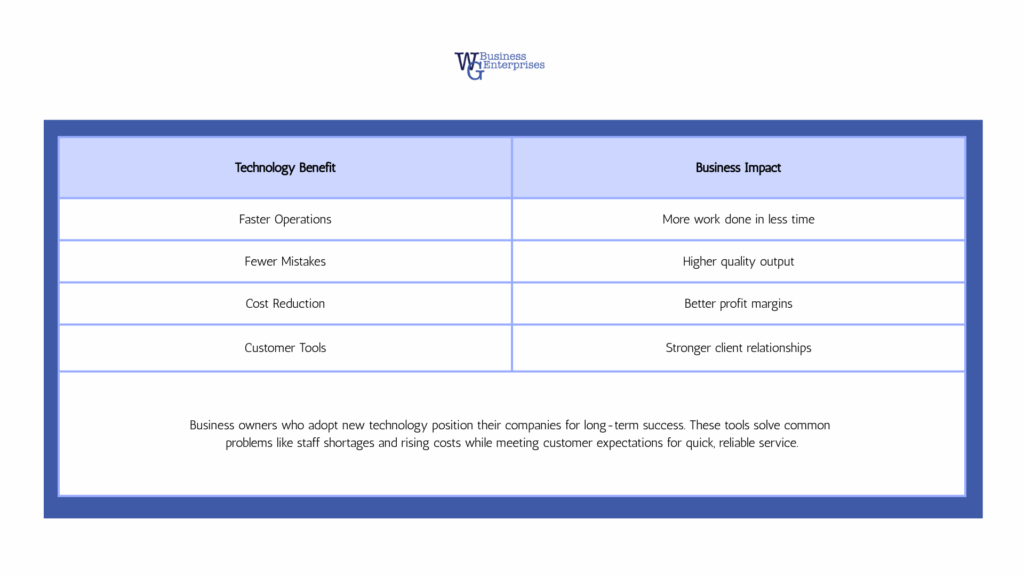
- Increase efficiency by automating repetitive tasks like scheduling, invoicing, and inventory.
- Reduce errors with standardized systems that keep data accurate and processes consistent.
- Lower labor costs by filling staffing gaps with automation that runs 24/7.
- Improve customer satisfaction with faster, more personalized service across channels.
Market Position
- Happy Customers: Modern tech creates smoother experiences that keep clients satisfied
- Market Leadership: Companies using current technology often outpace competitors who resist change
Real-World Business Technology Applications
Restaurants
Food establishments are adopting tablet ordering and reservation software that updates table availability in real time. The result: shorter waits, higher table turnover, and more accurate orders: direct improvements to revenue and reviews.
Sports & Entertainment
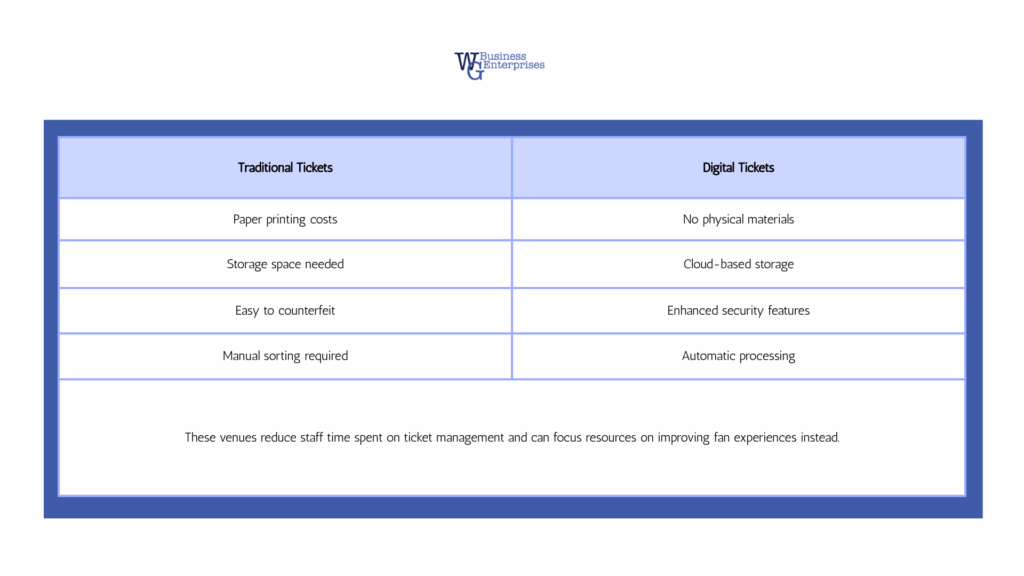
Mobile ticketing at local venues reduces fraud and printing costs while speeding up entry. Freed from manual tasks, staff can focus on guest experience and premium upsells.
Professional Services
Small firms use CRM systems to track leads, automate follow-ups, and manage contracts. Combined with e-signature tools and online scheduling, they shorten sales cycles and reduce no-shows, vital for legal, accounting, and real estate professionals.
Modern software solutions help businesses respond faster to customer needs while building more reliable internal processes.
How Technology Drives Business Growth
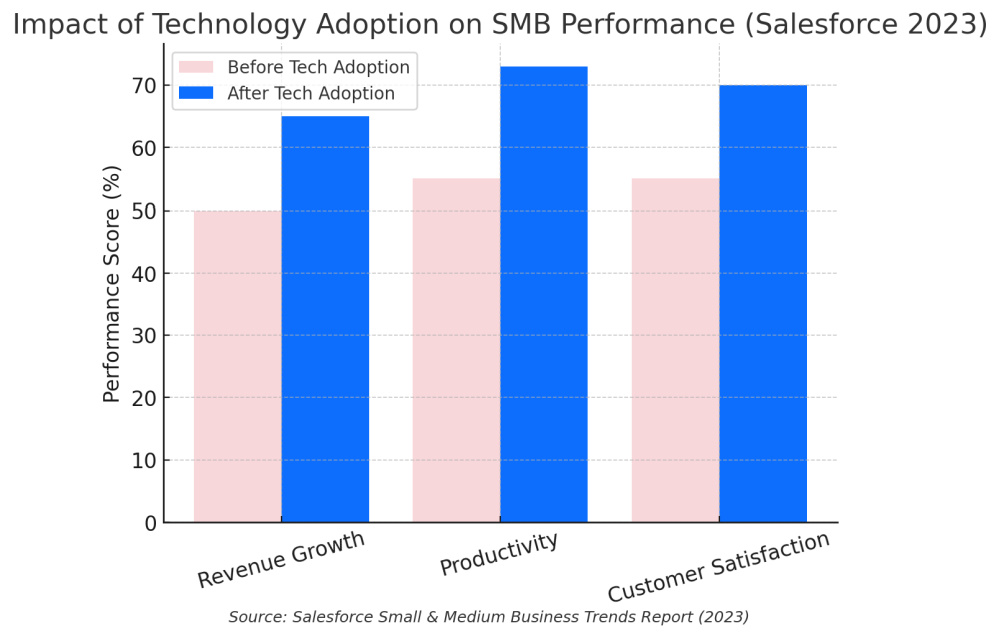
Technology creates multiple revenue streams that work around the clock. Businesses can sell products and services online even when owners and employees are away from work. This constant availability means companies never stop making money.
1) Extend Your Hours Without Extending Payroll
Online booking, e-commerce, and chatbots let customers take action anytime, even after closing. You capture demand without overtime.
2) Diversify Revenue Streams
Digital products, including courses, templates, subscriptions, turn your expertise into scalable income. Automation handles delivery and renewals.
3) Amplify Your Reach
Ads and marketing automation target local audiences or expand you nationally. With analytics in place, you double down on what works and cut what doesn’t.
Conducting a Technology Deep Dive (Technology Audit)
Companies need to examine their current technology stack to understand their position in the market.
A technology audit evaluates your current systems and identifies gaps against industry best practices. This reveals opportunities to improve what the business offers and what competitors provide. The goal is not buying tools for the sake of it. It’s selecting the right systems in the right order so you see ROI quickly and avoid change fatigue.
Key areas to evaluate include:
- Current systems and their performance levels
- Software capabilities compared to industry standards
- Technology gaps that create competitive disadvantages
- Emerging tools that competitors are adopting
Organizations should assess whether their existing platforms meet business needs effectively. When systems fall short, leadership must consider upgrades or replacements.
The evaluation process requires honest assessment of technology performance. Teams should identify which tools help the business succeed and which ones create barriers.
Investment decisions become clearer after this analysis. Companies can prioritize spending on technologies that deliver the most value.
This examination helps businesses understand where they rank against industry peers. The insights gained from this process guide future technology choices and strategic planning efforts.
Step-by-Step Audit Checklist
- Inventory your stack: List every software, integration, device, and license.
- Map key workflows: Sales, customer onboarding, service delivery, billing, reporting.
- Score effectiveness: Speed, error rate, adoption, data quality, cost.
- Benchmark: Compare to peers in your city and top performers in your industry.
- Identify gaps: Missing automations, double data entry, manual handoffs, bottlenecks.
- Prioritize improvements: Rank by impact vs. effort (quick wins first).
- Plan enablement: Training, SOPs, and change management for adoption.
- Measure & iterate: Track KPIs monthly and optimize.

Getting Started: High-ROI Tools for Small Businesses
- CRM for pipeline tracking and automated follow-ups.
- Project management to coordinate tasks, deadlines, and handoffs.
- Online scheduling to reduce no-shows and capture bookings 24/7.
- Cloud accounting for real-time financials and error reduction.
- Marketing automation for segmented email and lead nurturing.
- Digital payments (tap-to-pay, invoicing links) to speed cash flow.
Frequently Asked Questions
What is a business technology audit?
A business technology audit assesses your current tools, software, and systems to identify inefficiencies and opportunities for improvement.
How can technology save my small business money and help beat my competition?
Digital change gives businesses new ways to work faster and serve customers better. Companies can use new tools to cut costs and make their work easier.
Key ways digital tools create advantages:
- Speed: Automated systems complete tasks faster than manual work
- Data insights: Companies can track what customers want and need
- Better service: Digital tools help businesses respond to customers quickly
- Cost savings: Technology reduces the need for manual labor
Companies that adopt new technology first often gain the biggest benefits. They can offer services that competitors cannot match yet.
How can my business add new technology without disrupting work?
Smart planning helps companies add new tools without stopping daily operations. Testing new systems before full use prevents major problems.
Steps for smooth technology adoption:
- Start with small pilot programs
- Train employees before the switch
- Keep old systems running during transition
- Get feedback from users early
- Make changes slowly over time
Companies should pick technology that works well with their current systems. This makes the change easier for everyone involved.
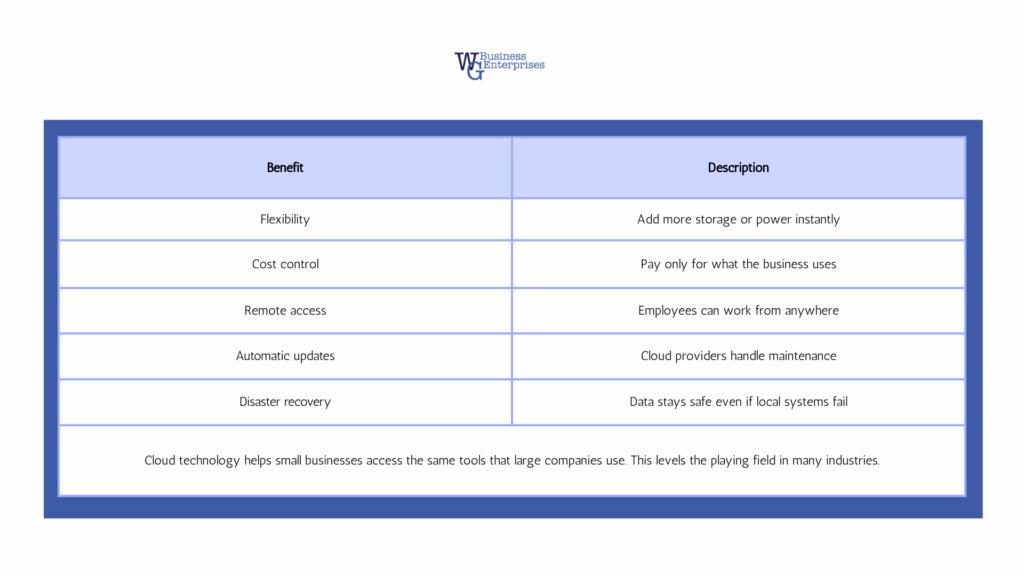
What benefits does cloud technology offer for my growing businesses?
Cloud computing lets companies use powerful technology without buying expensive equipment. Businesses can add or reduce computing power as needed.
Main advantages of cloud services:
Conclusion & Next Steps
The pace of business isn’t slowing down, and neither is technology. Every day you wait to upgrade your systems is another day your competitors pull ahead. Whether it’s automating repetitive tasks, improving customer experience, or finding new ways to generate revenue, the right technology can transform your business from the inside out.
At WG Business Enterprises, we don’t just recommend tools. We help you choose, implement, and optimize them so you see measurable results quickly. From West Palm Beach to nationwide clients, we’ve guided business owners through smooth tech transitions that saved time, cut costs, and increased profits.
Your next step is simple:
Schedule your free technology growth consultation today, and let’s uncover the quickest wins for your business.
Don’t settle for “good enough” when you could be running at peak performance. The sooner you start, the sooner you grow.
If you’re not actively upgrading or integrating new technology, you risk losing ground to competitors who are. Even small improvements such as adopting scheduling software or using a better CRM can lead to measurable growth.
Ready to optimize your business with the latest technology?
Serving West Palm Beach, Palm Beach County, and clients nationwide.
Contact WG Business Enterprises today for a free consultation.
Related Resources

Free Business Resources & E-books:
Free Guide to SMART Goals for Businesses
Free Guide to Optimizing Your Business
Free Guide to a Hassle-Free Office Move