

Leadership is one of the most important factors in an organization’s success. Strong leaders don’t just manage, they inspire, guide, and empower their teams to achieve results that go beyond expectations.
But leadership growth is not a one-time event. It’s a continuous process of selecting the right people, nurturing their talents, and making tough decisions when necessary.
Too often, impactful leadership is associated only with executives in the C-suite. In reality, skilled leaders must exist at every level of an organization. A culture where employees from entry level to the CEO, demonstrate ownership, accountability, and awareness creates a force that drives growth.
Today, the old “leader with followers” model is fading. Instead, transformational leadership is about building skills, mindsets, and behaviors that ripple throughout the entire organization.
In this post, we’ll explore what great team leadership looks like and how to ensure your organization has the right people in place.
What Defines Strategic Leadership?
Business leadership goes far beyond task management. It requires vision, respect for others, adaptability, and self-awareness. At its core, it means:
Inspiring a Vision
Leaders articulate a clear direction for the future and rally their teams around it. True inspiration is collaborative. Effective leaders not only share their vision but also invite feedback and contributions from their team. This style of leadership makes everyone part of the bigger picture.
Empowering Others
Trust and autonomy build strong teams. Authentic leaders create an environment where individuals take ownership of their work without the weight of micromanagement. Trust and empathy, not rigid policies are what becomes the foundation.
Leading by Example
The most effective leaders model the values, behaviors, and attitudes they expect from others,
Leadership is not about demanding respect or about titles; it’s about consideration and consistency. When done well, others naturally choose to follow.
Adapting to Change
In today’s fast-moving world, flexibility is non-negotiable. Leaders must embrace new ideas, adjust strategies, and encourage open dialogue to face challenges. The old “open door policy” evolves into “share with me”. Great leaders welcome ideas, encourage collaboration, and meet challenges with creativity and unity.
Practicing Self-Evaluation
One of the hardest things to do as a human is to self-evaluate, regardless of position. Not only do true leaders regularly reflect on their own performance, they seek honest feedback, acknowledge shortcomings, and act on input from their teams. This act of humility builds credibility and trust.
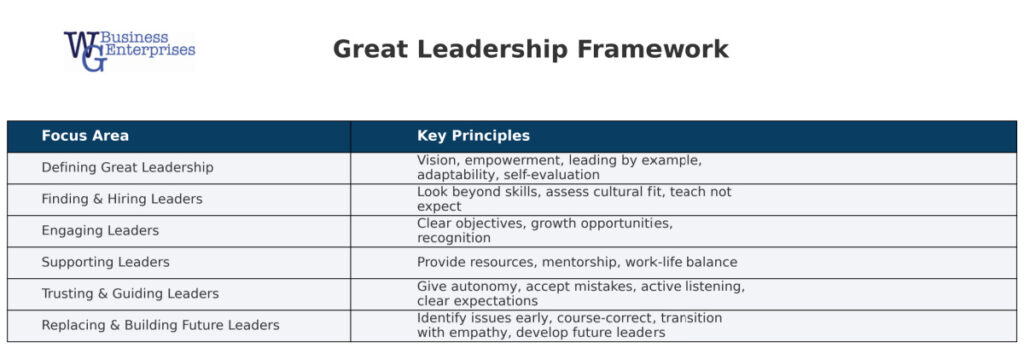
Finding and Hiring the Right Leaders
The path to begins with selecting individuals who align with both the skills and values of the organization.
- Look Beyond Skills: Prioritize communication, emotional intelligence, and adaptability alongside technical ability. Trust and rapport are the foundation of effective leadership.
- Assess Cultural Fit: Leaders who align with your organization’s values will naturally strengthen the team dynamic.
- Teach, Don’t Expect: New leaders don’t have to know everything on day one. Create space for learning, coaching, instead of expecting immediate perfection. They view gaps as opportunities for growth.
Example: A retail company once promoted its top-performing salesperson into a store manager role. While their sales skills were excellent, they lacked empathy and communication skills. The result was high turnover among staff. When the company shifted to promoting individuals based on leadership potential, not just technical performance, they saw stronger team cohesion and better overall results.
Keeping Leaders Engaged

Once impactful leaders are in place, they need ongoing engagement to stay motivated and effective.
- Set Clear Objectives: Define success in measurable goals and transparent terms, so leaders know exactly how they contribute.
- Provide Growth Opportunities: Offer ongoing business leadership development , mentorship, and training programs to keep leaders sharp and adaptable.
- Recognize Contributions: Celebrate achievements openly and authentically, going beyond transactional rewards to build loyalty.
Supporting Leaders
Even the most capable leaders need support to thrive. Organizations can provide this by:
- Supplying The Right Resources: Tools, budgets and team structures are essential for success.
- Offering Mentorship: Safe, experienced guidance helps leaders navigate challenges.
- Encouraging Work-Life Balance: Different leaders have different needs. Open dialogue helps create sustainable balance that’s tailored to individual needs.
Trusting Leaders
Trust is the cornerstone of leadership. Without it, creativity and decision-making stall. In contrast, micromanagement undermines leadership. Trust means:
- Granting Autonomy: Allow leaders to make decisions within their role.
- Accepting Mistakes: Errors will happen. Treat them as learning opportunities.
- Listen Actively: Make space for leaders to share ideas, concerns and feedback, and act on what you hear.
Guiding Leaders
The need for trust doesn’t mean an absence of oversight. Leaders still need direction to stay aligned with organizational goals.
- Hold Regular Check-Ins: To discuss progress and address challenges.
- Set Expectations Clearly: Define performance and behavioral standards.
- Provide Constructive Feedback: Timely, actionable feedback accelerates growth.
- Offer Tools and Support: Ensure leaders have what they need to succeed.
Knowing When to Replace Leaders
Not every leader will be the right fit for your organization. When challenges persist despite support:
- Identify Warning Signs: Watch for early signs like low morale, missed goals, or cultural misalignment.
- Attempt to Course-Correct: Offer coaching and additional guidance before making decisions.
- Make the Tough Call: If replacement is necessary, handle transitions with sensitivity and professionalism. How a transition is managed speaks volumes to the entire team.
Ensuring Teams Thrive in a Leader’s Absence
A true measure of leadership is how well a team performs without its leader present. To build that resilience:
- Develop Future Leaders: Give team members opportunities to step up.
- Establish Clear Processes: Consistent workflows keep projects moving seamlessly.
- Foster Collaboration: Strong team culture ensures momentum even without direct oversight.
Frequently Asked Questions About Great Leadership
1. What makes someone a great leader in business?
2. Can leadership be learned, or is it an innate skill?
3. How do I know if someone is ready for a leadership role?
4. What should organizations do if a leader isn’t performing well?
5. How can leaders keep their teams motivated?
6. How do you build leadership at every level of an organization?
7. Why is leadership especially important in today’s workplace?
Conclusion & Next Steps
Exceptional leadership doesn’t happen by accident. It’s built through intentional development, consistent support, and a culture that values growth at every level. If your organization is ready to strengthen its leadership foundation, now is the time to act.
Start by asking yourself:
- Do we have the right people in leadership roles?
- Are we providing the tools and guidance they need to succeed?
- Is leadership shared and encouraged across every level of our team?
Ready to Strengthen Your Leadership Team?
Are you wondering how to build stronger leaders in your organization? Let’s talk. Schedule a Free Consultation with our team, and we’ll guide you through strategies to identify, develop, and support leaders who can help your business thrive.
Click the button below, and one of our consultants will reach out.
Serving West Palm Beach, Palm Beach County, and clients across the U.S.
Contact WG Business Enterprises for your free consultation.

Free Resources & E- books:
Guide to Optimizing Your Business
Guide to a Hassle-Free Office Move
Guide to SMART Goals for Businesses